
Choosing between a bike and a scooter starts with one simple question: what will you use it for? Both can handle everyday travel, but their controls, storage, comfort, and road use differ.
The decision becomes easier when you compare them with your normal routine in mind. Daily distance, traffic, carrying needs and longer trips all have a place in that choice. Here is what to look at before deciding:
Look at the Roads You Use
Start with your usual route. City streets and open roads place different demands on a two-wheeler.
Scooters suit frequent stops well. Most use automatic transmission, so the rider does not need to operate a clutch or change gears in traffic.
A bike gives direct control over gear selection. This can be useful on open roads, hills, and longer journeys.
A quick review of your weekly travel can help:
- Distance covered each day
- Time spent in heavy traffic
- Highway use
- Road quality
- Number of longer journeys
If most trips stay within busy city areas, simple operation may carry greater value. Regular highway travel can shift the choice towards a bike designed for longer distances.
Decide How You Feel About Gears
This is one of the clearest differences between the two. A typical scooter has no manual clutch or gear lever. The rider controls speed mainly through the throttle and brakes. That reduces the work involved during repeated stops.
Most bikes need manual gear changes. Some riders like having this control, especially when speed and road conditions change often. Neither system suits everyone. The better fit comes down to where you ride and which controls you find comfortable.
Storage Can Change the Decision
Think about what you carry during a normal day. Many scooters provide a storage area below the seat. Depending on the model, there may also be small front compartments or space around the foot area.
A bike usually has little built-in storage. Extra luggage often requires a top box, side cases or a bag.
Scooter storage can prove useful for:
- Small shopping bags
- Rainwear
- Work items
- Documents
- Other light daily items
Check the actual storage space on the model. Capacity varies considerably.
Compare the Seating Position
A comfortable seat alone does not guarantee a comfortable ride. Handlebar height, foot position, and seat width also affect how you sit.
Scooters normally use a step-through layout with the feet placed forward on a floorboard. Bikes place the rider’s feet on separate footrests.
Try both before buying. Check whether you can reach the ground easily and move the vehicle without strain. If you travel for longer periods, spend enough time in the riding position to see how your back, legs, and arms feel.
Think About Longer Trips
A short commute and a long road journey ask different things from a vehicle. Many bikes offer larger wheels, different engine choices, and seating designed for longer road use.
Fuel tank size and wind protection vary by bike type. Scooters also vary widely. Engine or motor output, wheel size, and seat design influence how well a particular model handles longer travel.
For frequent long trips, compare:
- Comfortable road speed
- Fuel or battery range
- Seat space
- Wind protection
- Stability
- Luggage options
Use the specifications for the exact models you are considering. Broad comparisons between all bikes and all scooters can be misleading.
Electric Two-Wheelers Need Their Own Checks
An electric model makes charging part of everyday planning. Start with the distance you normally cover between charges. Manufacturer range figures provide a reference, but speed, load and riding conditions can change the distance achieved in regular use.
Then look at where you can charge. Home charging may be convenient for some owners, while others may depend on public facilities.
Three details deserve a close read before purchase:
- Charging time
- Battery warranty
- Available charging options
These points can directly affect whether an electric model fits your routine.
Check How Each One Feels to Handle
Specifications cannot tell you everything about balance and control. A test ride lets you feel the steering, brakes, seat, and low-speed balance. It also shows how easily you can turn the vehicle and place your feet on the ground when you stop.
Pay attention to the areas you deal with every day. If your route includes tight streets and crowded parking, check low-speed movement carefully. For open roads, see how stable and comfortable the vehicle feels at normal road speeds.
Conclusion
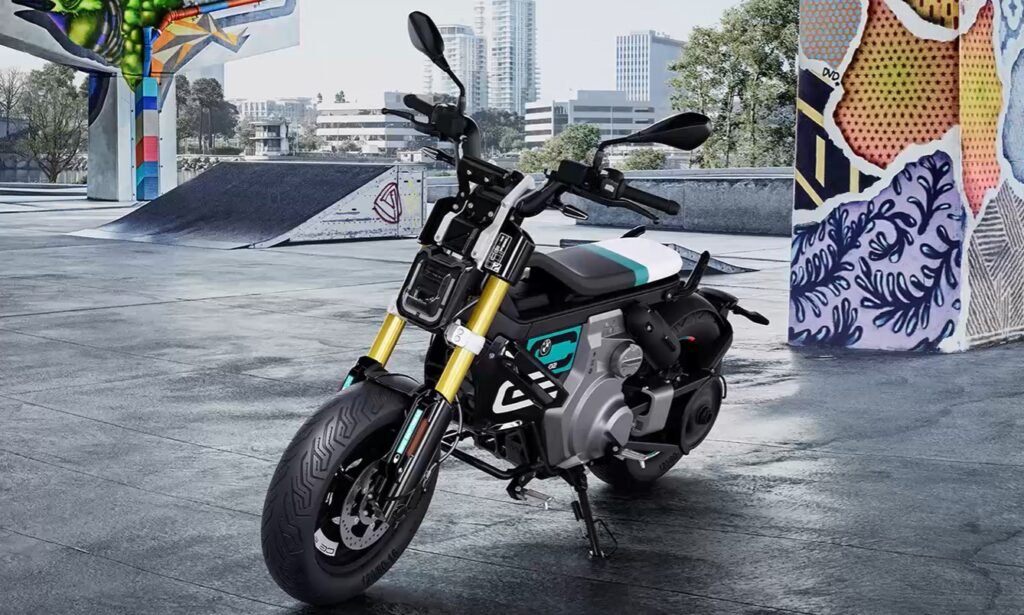
The choice between a bike and a scooter comes down to everyday use. Scooters can suit short urban journeys, frequent stops, and riders who need built-in storage. Bikes may fit longer travel or riders who prefer manual gears and a different riding position. New electric designs have added further choices, including models such as the BMW CE 02, so buyers should compare the vehicle itself instead of relying only on traditional bike and scooter labels.
Charging becomes part of the decision when considering a BMW electric scooter or another battery-powered option. Check usable range, charging time, battery cover, and access to a suitable charging point alongside comfort and running costs. A sensible choice is the one that fits your normal journey, carrying needs, and budget without adding features you have little use for.