
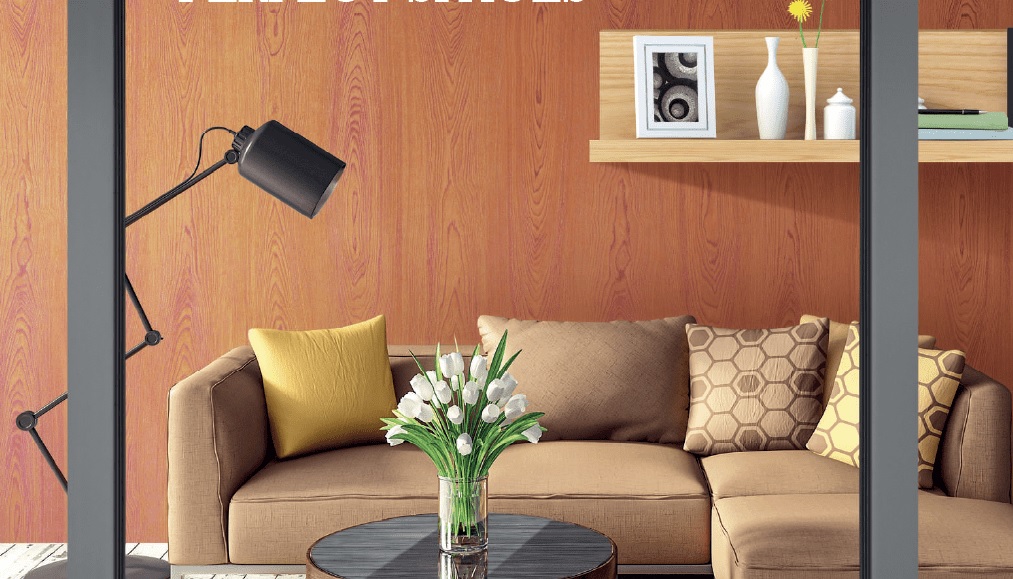
Indian homes are becoming more compact with time. But smaller spaces do not mean smaller aspirations. It simply means better design choices across every square foot. Designers now focus on using fewer materials with more impact. From wall claddings to cabinetry, every choice must support both beauty and function. That is where materials like laminate sheets become useful. They offer flexibility plus durability without taking up visual weight. Those who hire interior designer teams often receive better guidance on material limits. That guidance turns tight spaces into homes that breathe, move and support everyday living.
Material planning begins before design sketches
Designers do not wait until layouts are done to plan materials. They work backwards from the material to the usage point. That helps prevent waste. Laminate sheets are pre-measured and available in standard sizes. Designers use this data to plan wall lengths, unit heights and shutter spans. Those who hire interior designer experts get this benefit early. Instead of forcing cuts later, designers plan exact fit-outs. This reduces cost and time while increasing surface finish quality. Compact homes especially benefit from this because there is little room for error.
Compact homes need layered surfaces not bulky materials
Indian homes often double up rooms for more than one use. A bedroom may become a workspace. A dining table may turn into storage. Laminate sheets allow this layering to happen without adding visual clutter. They blend with walls, extend into panels, or hide inside foldable furniture. Designers use these sheets to break surfaces into zones. Those who hire interior designer teams often notice how materials feel light yet perform hard. This balance comes from understanding how the home must behave rather than just how it looks when finished.
Wastage control leads to long-term value
In compact homes, even one miscut board can disrupt the flow. That is why designers use material maps before placing any order. Laminate sheets are traced on digital models to calculate exact quantity. This aids in avoiding stock remaining or an emergency reorder. This planning is an advantage to people who employ the services of interior designer professionals. It is cost saving and ensures that installation schedules remain unchanged. Material efficiency is not all about saving money. It is also concerning completing the job without the need to replace or change during the use.
Less is more when material pairs are chosen wisely
Using fewer materials does not mean repeating the same finish. Designers combine materials that look unified but behave differently. A wardrobe may use laminate sheets on the exterior and a fabric panel inside. A kitchen may use a mix of matt and glossy textures. Those who hire interior designer services often receive these suggestions as part of the design. Compact homes need every surface to hold attention without feeling overdone. This can be achieved only through material control and tone balancing.
Furniture decisions shape space perception
Big furniture makes a room look smaller. That is why designers reduce bulk using lean panels and structured boards. Laminate sheets help shape this furniture without adding unnecessary thickness. Designers select compact modules that still carry load. They test shelf depths and shutter spans before finalising drawings. When clients hire interior designer experts, these tests are already factored into the plan. That is why smaller spaces feel open and airy even when they are fully furnished. The illusion of space is built from material decisions.
Storage must be functional and hidden
Compact homes need more storage but less visibility. That balance is hard to strike without material knowledge. Laminate sheets are used to build pocket shutters, lift-up doors and sliding compartments. These reduce handle clutter and open up floor space. Designers create zones that store without showing. When you hire interior designer professionals, these ideas come pre-mapped. That means less trial-and-error and more predictable performance. Compact homes look cleaner when storage is built with smart surfaces instead of extra cabinets.
Material colour decides how open the space feels
Dark finishes can make compact homes feel tighter. Lighter tones reflect more light and reduce visual compression. Laminate sheetshttps://www.centuryply.com/centurylaminates in ivory, beige, or soft grey are commonly used to open up a room. Designers use darker tones only as accents. When clients hire interior designer teams, they often receive sample boards to test under room lighting. This avoids surprises after installation. A material may look good in the showroom but feel heavy inside a flat. Smart colour pairing helps maintain an open and balanced atmosphere.
Maintenance becomes easier with compact material planning
Compact homes mean tighter corners and shared surfaces. That also means higher chances of stains or wear. Laminate sheets are often chosen for these areas because they resist scratches and clean easily. Kitchen shutters, bathroom panels and work desks all benefit from this selection. Those who hire interior designer professionals get help choosing based on cleaning behaviour as well. That makes the home easier to live in without worrying about delicate materials. Over time, this planning makes upkeep less stressful and more manageable.
Five habits that make material usage better in small homes
• Always plan sheet size before deciding panel dimensions.
• Use a single finish for multiple furniture pieces to connect space.
• Keep vertical surfaces in light tones.
• Use laminate sheets on touch surfaces for better cleaning.
• Avoid thick edge banding in narrow walkways.
Design thrives when material is respected
Material is not just a tool. It is a silent partner in every home. It behaves based on how it is handled and installed. Laminate sheets become more useful when they are matched to purpose and not just pattern. Designers who respect material logic always deliver more stable spaces. Compact homes especially benefit from this respect. When you hire interior designer teams that think through these choices, your home becomes more than a layout. It becomes a working system that blends storage, function, and warmth.
Final word
A compact space does not demand compromise. It demands clarity. When material usage is planned before drawing the design, the outcome feels complete and intentional. Laminate sheets can do more when chosen for performance along with tone. Each square foot counts in smaller houses. This is why material decisions are more important. To achieve a small home structure based on material clarity and finish planning, CenturyPly Interior Designing Services provide a systematic guidance and trustworthy implementation in all the projects of any size.