
Urban environments, or cities, have undergone a rapid change and have been transformationover the last decade. There are several factors that influence the ways in which people often commute from one place to another. Some of them include increased population, rising vehicle density, and limited road space availability
. Keeping in mind all these points, two-wheelers are now being chosen and evaluated based on how well they adapt to changes in city infrastructure. From road conditions to parking limitations, several things are being considered and are major influencers on how modern two-wheelers are being built and used.
Urban Roads and Design Challenges
Urban roads are generally non-uniform, and there are several challenges that can occur on them. Riders often complain about many things, like:
- Uneven surfaces
- Frequent speed breakers
- Narrow lanes
- Constant traffic signals within a short distance
These are some conditions that demand two-wheelers that can perform consistently at low speeds and also remain stable and comfortable for longer commutes. Designs that focus only on speed or performance often struggle in these environments. Adaptability becomes important in these situations. As a result, manufacturers constantly analyse real-world city riding patterns to ensure their vehicles handle daily urban commute challenges
Role of Suspension and Ride Comfort in Daily City Usage
One of the most important factors to be considered in two-wheeler design is the emphasis on rider comfort. Frequent stops are common in city traffic, and there is a requirement for an upright and relaxed riding posture to support this. The height of the seat, handlebar positioning, and footrest are now carefully designed to reduce the strain during longer commute routes.
Now comfort is no longer viewed as a luxury; instead, it is being viewed as a necessity for city riders who depend on vehicles every day. Poor ergonomics can quickly make commuting a physically exhaustive experience. These ergonomic choices influence how manageable a two-wheeler feels during everyday travels.
Also, suspension plays an important role in ensuring a comfortable ride. Poor suspension leads to rider fatigue, especially during long commutes. To address these challenges, modern two-wheeler design focuses mostly on providing a balanced suspension that prioritises comfort without feeling overly soft. This approach will help the rider to maintain control of the vehicle, reducing the physical strain.
Role of Storage Needs
Riding in the city is often accompanied by carrying personal belongings and work equipment, or protective gear like helmets. Limited parking spaces and crowded sidewalks make it hard to attach external attachments or large accessories. This has led to an increase in the importance of integrated storage solutions that fit naturally with the vehicle design.
Practicality also extends to ease of use. Simple access to storage and balanced weight distribution help riders to manage their vehicles more efficiently in tight and dense traffic spaces in cities.
Role of Safety and Control
High traffic density and frequent stoppages in cities require predictable handling and responsive braking systems. City infrastructure leaves no room for errors. This makes stability and control essential at both low and moderate speeds. Additionally, riders need vehicles to respond smoothly to sudden stops, lane changes, and uneven or non-uniform roads.
Design choices are mostly affected by the urban infrastructure, and now the focus is mainly on the balance, braking systems, and overall rider confidence in congested environments.
Evolution based on Infrastructure in Urban Mobility
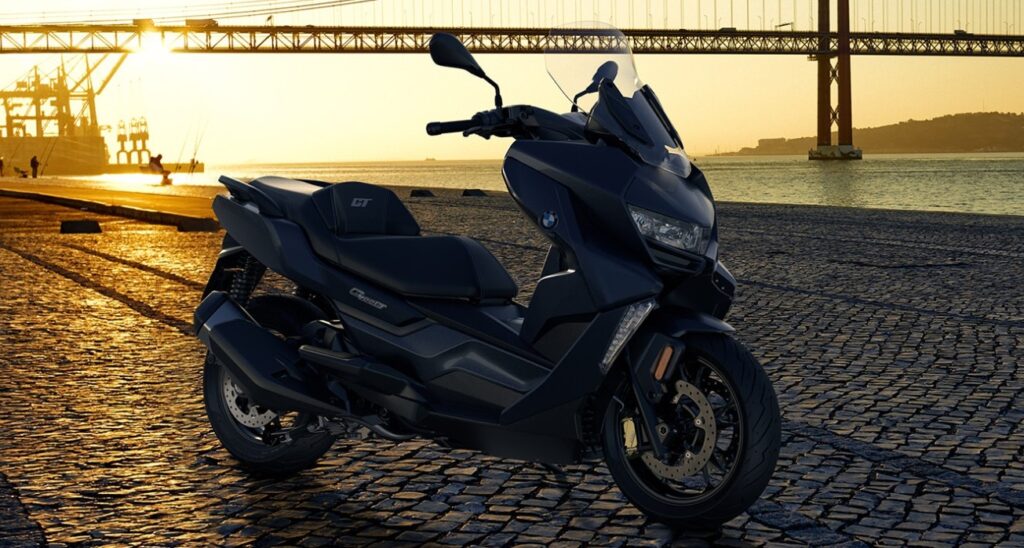
As the cities continue to grow and expand, two-wheelers should also evolve continuously with infrastructure. Riders often prefer vehicles that are intuitive and dependable rather than aggressive and overly complex. This shift highlights how the models, such as the BMW C 400 GT, naturally align with the principles and adapt with infrastructure. They reflect the engineering choices by shaping the real urban usage rather than only ideal conditions.
Conclusion
City infrastructure will continuously influence the design of two-wheelers and how they are perceived. Understanding this relationship allows riders to make informed decisions based on comfort, practicality, and long-term usability. Finally, urban mobility is about reducing the effort and stress qualities that a thoughtful design, like a BMW Motorrad scooter, can deliver when shaped by real-world needs, especially in city infrastructure.