
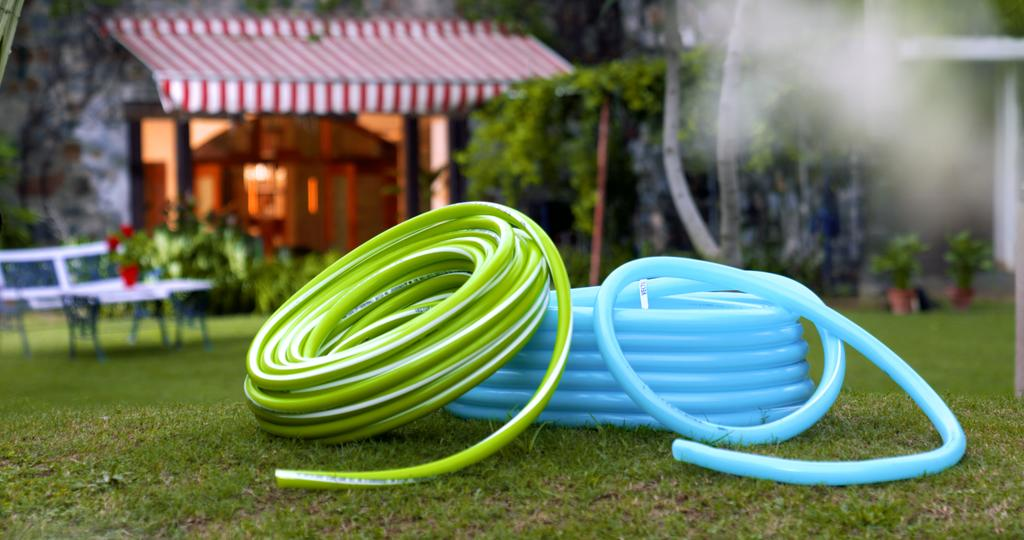
A steady water flow is essential for maintaining a healthy garden. Whether you are watering plants, cleaning outdoor areas, or filling containers, consistent pressure ensures that the task gets done efficiently. However, many homeowners notice that their garden hose pipe sometimes loses pressure, making watering slow and frustrating.
Low pressure can happen for several reasons, from simple blockages to installation issues. Understanding the common causes helps you fix the problem quickly and maintain a reliable water pipe for garden use.
Understanding Water Pressure in Garden Systems
Water pressure refers to the force that pushes water through a pipe. In a garden setup, pressure determines how strongly water flows from the hose. When pressure drops, the stream becomes weak, uneven, or slow.
A properly functioning garden hose pipe should deliver a consistent flow that allows watering plants evenly. If the pressure suddenly decreases, it usually indicates a problem somewhere in the water supply line or the hose itself.
The good news is that most pressure problems are easy to diagnose and solve with a few simple checks.
Common Reasons for Pressure Loss
1. Kinks and Twists in the Hose
One of the most common reasons for reduced water pressure is a kink in the hose. When a hose bends sharply, it restricts the flow of water passing through it.
This often happens when the hose is dragged across corners, wrapped incorrectly, or stored without proper coiling. Even a high-quality water pipe for a garden can lose pressure if the flow path is blocked by bends.
Straightening the hose and removing twists can quickly restore normal flow.
2. Blocked Hose Nozzle
The nozzle attached to the hose can collect dirt, sand, or mineral deposits over time. These particles block the small holes where water exits, reducing the pressure of the stream.
If your garden hose pipe seems to be working but the output is weak, the nozzle may need cleaning. Unscrew it and rinse it thoroughly to remove debris. Sometimes soaking it in vinegar helps dissolve mineral buildup.
3. Leaks or Cracks in the Hose
Small leaks can significantly reduce pressure because water escapes before reaching the end of the hose. Cracks, holes, or loose fittings are common causes.
Inspect the entire length of the hose for wet spots or dripping water. Even a small leak in a water pipe for a garden can reduce the strength of the water stream. If the damage is minor, a hose repair connector can fix the problem.
4. Low Water Supply Pressure
Sometimes the issue is not the hose but the water supply itself. If the main tap has low pressure, the hose cannot deliver strong flow.
This can happen during peak usage hours when many households are using water simultaneously. Checking the tap directly without the hose helps determine if the supply pressure is the real issue.
5. Clogged Hose Filter or Connector
Many outdoor taps and hose connectors include small filters to prevent debris from entering the hose. Over time, these filters can become clogged with dirt or rust particles.
When the filter blocks water flow, pressure inside the garden hose pipe decreases. Cleaning or replacing the filter can restore proper water movement.
6. Hose Length and Diameter
The length and thickness of a hose also affect water pressure. Longer hoses require water to travel a greater distance, which naturally reduces the pressure at the end.
Similarly, a very narrow water pipe for garden may not allow enough water to pass through quickly. Choosing the right diameter and avoiding unnecessarily long hoses can improve performance.
Practical Solutions to Improve Pressure
Check and Straighten the Hose
Start with a simple inspection of the entire hose. Remove any twists or bends that could be blocking the flow of water. Laying the hose straight across the garden often improves pressure immediately.
Clean the Nozzle and Connectors
Detach the nozzle and connectors and rinse them thoroughly. Remove dirt, leaves, or mineral deposits that may restrict water flow.
Regular cleaning ensures that the garden hose pipe continues to function smoothly.
Repair Leaks Quickly
If you find holes or cracks, repair them using hose repair kits available in hardware stores. For severe damage, replacing the hose may be the better option.
Maintaining a leak-free water pipe for garden ensures efficient watering and reduces water wastage.
Adjust Water Source Settings
Sometimes the tap valve may not be fully open. Ensure the outdoor faucet is turned completely to allow maximum water flow.
If pressure problems continue, a pressure booster pump can help improve the supply.
Use Proper Hose Storage
Proper storage prevents kinks and prolongs hose life. Use a hose reel or hanger to keep the hose neatly coiled when not in use.
This helps maintain the internal structure of the garden hose pipe and ensures better water flow during use.
Preventive Maintenance Tips
Regular maintenance helps avoid pressure issues in the future. Rinse the hose occasionally to remove internal dirt. Avoid dragging it across rough surfaces that may cause damage.
During winter or long periods of non-use, drain the hose completely before storing it. Proper care ensures that your water pipe for garden continues to deliver steady water flow whenever needed.
Conclusion
Low water pressure in a hose can make gardening tasks slower and less effective. Fortunately, most causes are simple and easy to fix. Kinks, clogged nozzles, leaks, and supply issues are some of the most common reasons behind reduced pressure.
By regularly inspecting and maintaining your garden hose pipe, you can ensure consistent performance and efficient watering. A well-maintained water pipe for garden not only saves time but also helps maintain a healthy and thriving garden environment.