
Do you reach home with less battery than you expected, even after taking the same road you use every day? Range can change with speed, traffic, tyre pressure, load, hills and weather. You may not need a new route. Small riding and preparation changes can reduce waste. This article covers practical ways to use less battery on a regular daily route.
Keep Your Speed Steady
Speed directly affects energy use. Higher speed increases air resistance and energy use. Try to hold a steady pace when traffic permits. Looking ahead gives you time to ease off the throttle when traffic begins to slow. Stay within the speed limit and match your speed to traffic.
Make Acceleration Smooth
Electric motors can deliver power quickly, so a hard twist of the throttle can use a noticeable amount of battery. Strong acceleration followed by immediate braking also wastes energy that could have been avoided.
Try to build speed in a controlled way when traffic allows. You do not need to accelerate hard after every signal turns green.
These habits can help:
- Open the throttle gradually when moving away.
- Avoid speeding up when you know a turn or signal is close.
- Leave enough space to keep the bike moving safely.
- Reduce sudden changes in speed during heavy traffic.
Use Regenerative Braking Sensibly
Some electric motorcycles send part of the energy from deceleration back into the battery. This process is often called regenerative braking or energy recovery.
The amount recovered depends on the motorcycle and its control system. It should not change the way you ride in a safe situation. Do not delay braking because you expect energy recovery to add range.
Using the system during normal slowing can make better use of energy that would otherwise be lost as heat through the brakes.
Check Tyre Pressure
Tyre pressure affects rolling resistance and handling. A tyre running below the specified pressure can increase resistance and use more energy.
Check the pressure when the tyres are cold. Use the specified pressure. While checking, look for cuts, uneven wear or other damage.
Do not change pressure only to gain range. Correct pressure for the bike, rider and load comes first.
Carry Only What You Need
Extra weight needs extra energy to move, especially during repeated starts or on roads with climbs. Before leaving, remove bags or items you do not need. Keep the remaining load secure and place heavier items where the manufacturer recommends. A passenger also changes the load.
Use Traffic to Your Advantage
The same route can use different amounts of energy depending on traffic. A road filled with stops and starts can demand frequent bursts of power. A smoother flow needs fewer speed changes. When your schedule allows, a quieter departure time may reduce unnecessary stopping and starting. Watch junctions and signals ahead. When safe, rolling toward a red light can avoid an extra burst of acceleration before the next stop.
Take Weather Into Account
Weather changes how the motorcycle uses energy. A strong headwind can increase resistance. Cold conditions can also affect battery performance. Wet roads may require lower speeds and smoother inputs.
Do not treat the range shown on the display as a guaranteed distance. It is an estimate based on current conditions and previous energy use.
For daily travel, keep some spare battery instead of planning your journey around the last few kilometres of displayed range.
Plan Charging Around Your Routine
Charging works best when it fits your actual travel pattern. Know how much battery your normal trip uses and how much charge you usually have when you return home.
If you can charge at work or another regular stop, you may not need to start every journey with a full battery.
Keep these points in mind:
- Check the charge level before leaving.
- Allow enough charge for traffic delays.
- Know where reliable charging is available.
- Avoid depending on a single charging stop for an important journey.
Track What Your Own Bike Uses
The range number on the display is useful, but your regular trips give you a better idea of what to expect. Note the battery level before and after a few normal journeys.
You may notice that one route uses more power because of traffic, hills or a higher average speed. Once you know these patterns, you can plan daily charging with less guesswork.
The aim is not to chase a particular range number on every ride. It is to understand how your own riding conditions affect battery use.
Conclusion
You can improve daily range without changing your route by controlling speed, using the throttle smoothly, keeping the tyres at the correct pressure and avoiding unnecessary weight. Traffic, hills and weather will still change battery use from one day to another. With a BMW electric scooter, these checks can help you use the available charge more carefully.
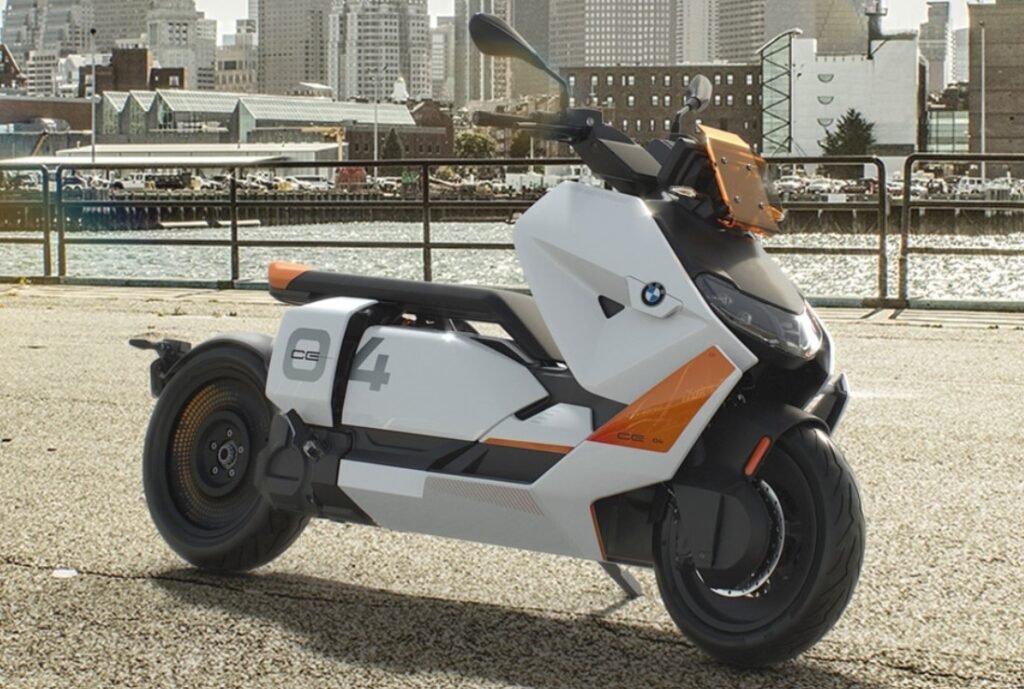
Electric scooters such as the BMW CE 04 have a claimed range based on a set test method, while real use depends on riding conditions and battery use. Track your normal trips, charge with enough reserve and avoid treating the displayed range as an exact promise.