
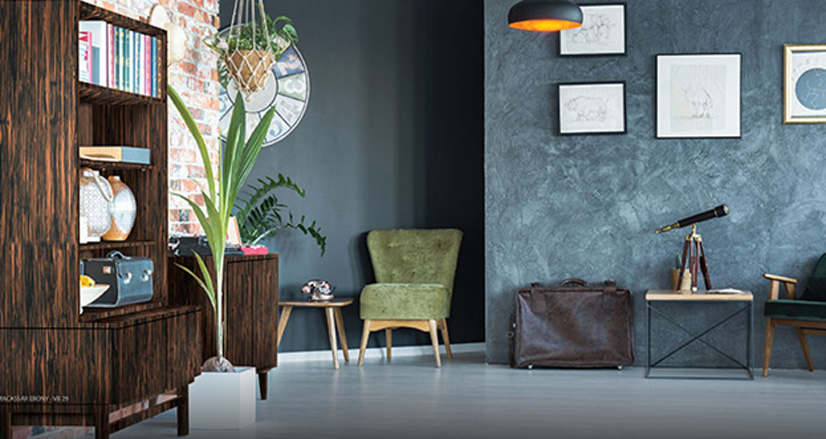
Veneer furniture provides a natural look without the cost or weight of full timber. It brings texture, depth, and variation across surface panels. But to keep that look intact, the surface needs simple but regular care. Many people use harsh cleaners or tools that reduce surface quality. Others leave the panels dry for too long.
Decorative veneers offer more control when maintained correctly. These panels respond well to touch, light, and basic polish. They hold their structure when protected from surface damage.
Why veneer surface is different from laminate or solid wood:
Laminate has a printed layer. Solid wood has no fixed structure. Veneers for furniture sit between these two. The panel carries a thin layer of natural wood pressed over a board.
This surface looks and feels like real wood because it is real wood. But that also means it behaves differently during cleaning, polishing, or exposure to heat.
Main issues that reduce veneer life over time:
Most damage starts with neglect. A dry cloth leaves scratches. A wet cloth leaves moisture spots. Cleaning tools like scrubbers or rough sponges leave patches. Direct heat or sun also affects tone and texture.
Decorative veneers are built to last. But they require proper care based on real-world use. These steps can extend the life of the surface without requiring major rework.
Everyday care tips for veneer furniture:
• Use a soft microfibre cloth for daily dust removal.
• Clean spills immediately using a damp cloth followed by a dry wipe.
• Keep the surface away from direct heat and harsh sunlight.
• Avoid sharp objects or metal trays that scratch the finish.
• Do not use polish sprays with alcohol or ammonia content.
How to protect veneer polish during daily use:
The top layer of polish protects the wood below. If that layer cracks or wears out, the surface begins to absorb dust and water. That leads to dark patches or surface rise.
Veneers for furniture must be checked every six months for polish wear. If the shine looks dull or uneven, a professional coat of wood polish can restore it.
Where furniture is exposed to higher risk:
Dining tables face hot bowls, metal cutlery, and water rings. Sideboards face water bottles, phones, and charger cords. Bedroom side tables face glass, lights, and shifting objects. These zones need better protection.
Decorative veneers in these spaces benefit from coasters, mats, or runners. These act as a barrier between the surface and daily contact.
What to avoid while cleaning veneer panels:
Avoid using direct water. Avoid oil-based cleaners that leave residue. Avoid sanding unless done by a carpenter. Do not use glass cleaner on veneer. These liquids are made for harder surfaces.
Veneers for furniture stay clean using gentle products. A small amount of mild soap mixed in water works best when a deeper clean is needed.
How to handle scratches or light dents:
If the scratch is shallow, it may be removed by soft buffing using polish wax. If it goes deeper, a polish touch-up can blend the line. For dents, pressing with a cloth and warm iron sometimes helps lift the surface.
Decorative veneers respond well to light repair. But deep damage across the grain needs professional handling. That avoids surface mismatch.
How to polish veneer furniture the right way:
Apply natural wood safe polish made of wax or oil. Apply using soft cloth in a circular manner. Allow it to rest some few minutes. Blot on a dry cloth until the shine comes back.
Veneers for furniture must not be over-polished. That leads to surface buildup. A light coat once or twice a year is enough for most indoor use.
Where regular care adds value over years:
Well-maintained veneer furniture lasts for decades. The surface stays stable, and the wood tone matures well. Cracks, patches, or discolouration are avoided with monthly care.
Decorative veneers continue to add finish across homes that understand surface behaviour. A clean panel holds both function and look without needing regular replacement.
Conclusion:
Decorative veneers bring natural wood finish without full timber structure. But their value depends on how the surface is treated over time. Veneers for furniture must be cleaned, polished, and protected with attention to touch, light, and daily use. These simple actions help the surface stay smooth, sharp, and consistent for years without visible wear or deep damage.