
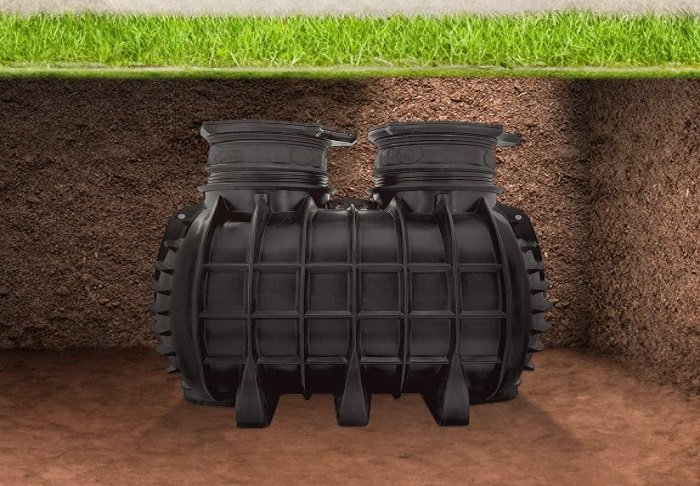
Water storage is an important consideration for homeowners who want a reliable supply throughout the day. However, not every property has enough rooftop or indoor space for a large storage system. In such situations, storing water below ground can be a practical alternative.
An underground water tank can help homeowners use available space efficiently while keeping the storage system away from view. It can be particularly useful for properties with limited open areas, specific architectural requirements or higher storage needs. However, this type of installation requires careful planning before making a decision.
1. When Space Above Ground Is Limited
One of the biggest reasons to consider underground storage is limited above-ground space. Smaller plots may not have enough room for a large tank without affecting parking, landscaping or usable outdoor areas.
Placing the tank below ground can free up valuable surface space. The area above it can potentially be used for landscaping, pathways or other suitable purposes, depending on the installation design.
This can make underground storage especially useful for homes where every square metre needs to serve a purpose.
2. When You Want a Cleaner Exterior
Some homeowners prefer a neat and uncluttered exterior. A visible storage tank can affect the appearance of a terrace, backyard or other open area.
An underground installation keeps the main storage unit out of sight. This can help maintain the visual appearance of the property while still providing useful storage capacity.
It can be a suitable option for homes where landscaping and exterior design are important considerations.
3. When Rooftop Installation Is Not Practical
Rooftop storage may not always be suitable for every property. Limited roof space, structural considerations or building design can make installation difficult.
In such cases, below-ground storage can provide an alternative location. However, the soil conditions, excavation requirements and structural support must be assessed before installation.
A qualified professional can help determine whether the property is suitable for this type of system.
4. Consider Your Household Water Requirements
Before choosing a storage solution, estimate how much water your household needs. Consider the number of people living in the home and their daily activities.
Bathing, cooking, cleaning, laundry and gardening can all contribute to consumption. You should also consider the frequency and reliability of the local water supply.
If water interruptions are common, greater storage capacity may be useful. However, selecting a capacity that is unnecessarily large can increase installation costs and space requirements.
5. Check the Available Underground Space
Not every part of a property is suitable for excavation. Before installing an underground water tank, check the available area and identify existing utility lines, drainage systems and foundations.
The tank should be positioned where it will not interfere with essential infrastructure. There should also be enough space for safe installation and future maintenance.
A site assessment can help identify potential obstacles before excavation begins.
6. Think About Soil and Ground Conditions
Ground conditions can influence the feasibility of underground storage. Soil type, groundwater levels and drainage conditions should be evaluated before installation.
Areas with high groundwater levels may require additional planning to prevent unwanted water from affecting the installation.
Similarly, unstable or problematic soil may require specialised construction measures. Professional assessment can help determine the appropriate approach for the property.
7. Choose Suitable Material
Material quality is important because the tank will remain underground and may be exposed to soil pressure and moisture.
When comparing water storage tanks, check whether the selected product is specifically designed for underground installation. The construction should be suitable for the expected environmental and structural conditions.
Ask the manufacturer about the material, installation requirements and recommended applications. Choosing a product designed for the intended environment can support better long-term performance.
8. Plan the Inlet and Outlet Connections
Plumbing should be considered before excavation begins. The inlet, outlet, overflow and access arrangements need to be planned according to the property’s existing water system.
Poorly positioned connections can make installation and future maintenance more difficult. Make sure the plumbing layout provides suitable access for inspection and repairs.
A professional plumber can help determine the most practical connection arrangement.
9. Consider Cleaning and Maintenance
Underground storage does not eliminate the need for maintenance. The tank still needs periodic inspection and cleaning to maintain suitable storage conditions.
Access should be planned carefully so that maintenance personnel can reach the relevant areas safely.
The tank’s access cover should be secure and positioned where it can be opened without difficulty. Regular inspection can help identify issues such as sediment accumulation, leaks or damaged fittings.
10. Think About Long-Term Benefits
An underground system can provide several practical benefits beyond saving space. It can help maintain a cleaner exterior, protect the tank from direct sunlight and make better use of available land.
However, the advantages depend on suitable site conditions and proper installation. It is important to balance these benefits against excavation, maintenance and accessibility requirements.
A well-planned system can provide dependable storage without interfering with the everyday use of your property.
Final Thoughts
An underground water tank can make sense when above-ground space is limited, rooftop installation is unsuitable or homeowners want to maintain a clean exterior. It can also be useful when a property requires substantial storage without dedicating valuable surface space to a large unit.
Before choosing water storage tanks, assess household requirements, ground conditions, available space, plumbing and installation costs. Professional planning is essential because underground storage is more difficult to modify after installation.
With careful preparation and the right product, underground water storage can become a practical, space-saving solution for many homes.