
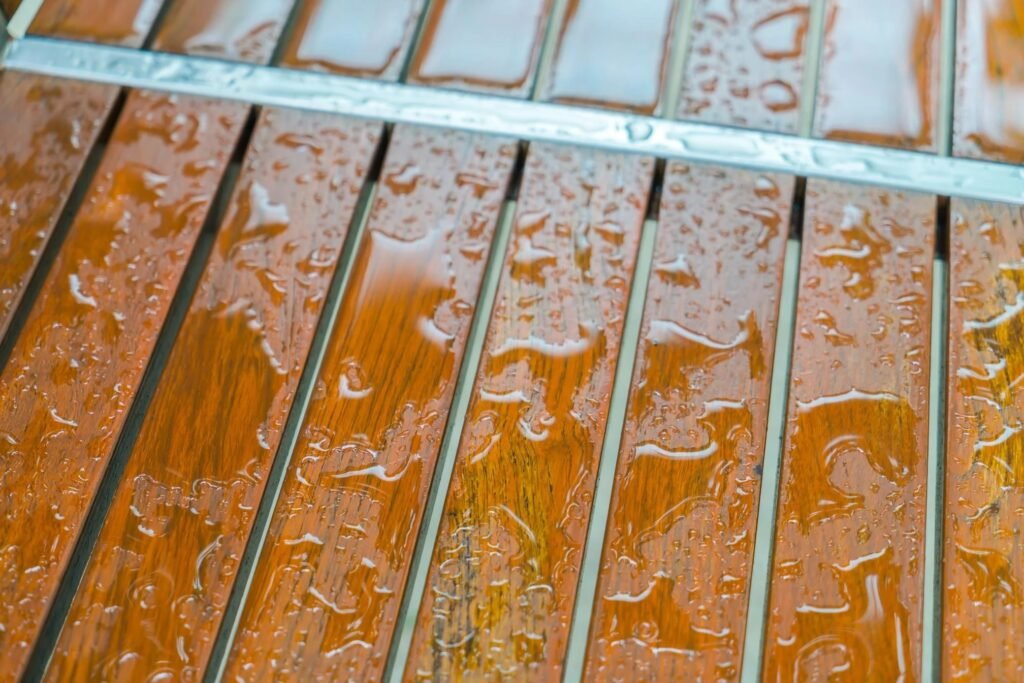
When it comes to selecting materials to use in your home, it may seem easy until the issue of moisture comes into the picture. The behavior of surfaces is altered by exposure to water. The swelling, warping, and surface damage tend to start silently and then become noticeable. Waterproof plywood comes into the picture here. Most of the homeowners contrast the normal Plywood Sheets with moisture-resistant ones, but the practical question is still there. Does it make sense to invest in the daily residential areas?
Knowledge of How Moisture Affects Plywood:
Wood-based materials are naturally sensitive to humidity and water contact. Internal bonding can be weakened even by small quantities of seepage. Layers can become parted, or edges can become wider. Standard Plywood Sheets are good in dry conditions, but in kitchens, bathrooms, and utility areas, there are other issues. Waterproof plywood is designed to withstand water intrusion and structural integrity in controlled exposure conditions in such environments.
The distinction is in the quality of the adhesive and the treatment of manufacturing. These factors dictate the strength of panels when they come into contact with moisture repeatedly.
Where Waterproof Plywood Counts:
Not all the areas of a house are equally at risk. Bedrooms and living rooms can be quite dry. But the kitchens and storage spaces close to plumbing require more robust material performance. Cabinets constructed using regular Plywood Sheets can easily become weak when subjected to wet environments. On the contrary, waterproof plywood is stable even when the humidity changes or when it is accidentally spilled during everyday use.
This resistance minimizes repair expenses in the long term. Homeowners do not have to replace swollen panels, but rather enjoy the same performance over the years of use.
Durability More Than Skin Deep:
Durability is not restricted to apparent strength. It also relates to internal bonding and load-bearing capacity. Adhesives may decay unnoticed when plywood takes in water. That worsens weight handling capacity.
Quality waterproof plywood has specially treated bonding agents that are resistant to breakdown. This makes sure that the layers are pressed together even when they have come in contact with moisture. The Standard Plywood Sheets can start delaminating under the same circumstances.
In the case of furniture like kitchen cabinets, bathroom vanities, and storage units, internal cohesion has a direct impact on longevity and safety.
Long-Term Cost Consideration:
Purchasing is usually affected by price. On the surface, standard Plywood Sheets are cheaper. Nevertheless, the cost of replacing materials and maintenance should be taken into account. Warp panels and swollen edges can lead to the need to repair the whole structure.
Waterproof plywood will help minimize the chances of premature replacement. The longevity aids in maintaining the alignment and quality of surface finish of cabinetry. In the long run, this stability will compensate for the increased initial investment.
Lifespan and not purchase value should be part of a cost evaluation. Long-lasting materials can be more cost-effective in real-life situations.
Fitness to Indian Climate Conditions:
Material performance is greatly influenced by climate. Most areas have seasonal variations in humidity and monsoon exposure. These environmental changes exert more pressure on wood-based materials.
Moisture-prone areas should use waterproof plywood to make it more resilient to seasonal changes. Although normal Plywood Sheets can work well in dry interiors, they might not withstand frequent humidity cycles.
Use of materials that are appropriate to the local conditions helps to maintain uniform structural performance. It also eliminates aesthetic degradation that is caused by uneven absorption of moisture by the panels.
Maintenance and Daily Use:
Small doses of water are present in everyday life. Cleaning of the kitchen, accidental spills, and cooking humidity are usual events. The surfaces should be able to withstand these conditions without becoming weak.
Cabinet frames made of waterproof plywood are receptive to regular care. Their internal treatment does not allow water to penetrate deep into the layers. Conversely, untreated Plywood Sheets might need further treatment to prevent extended wetness.
Maintenance is easy, which leads to long-term comfort. Stable materials used in normal operation minimize stress and maintenance issues for the house owner.
Right Decision Making:
Whether to use standard panels or moisture-resistant panels depends on the use. Advanced protection may not be necessary in dry areas. Nevertheless, sites that are in contact with water have better material performance.
Waterproof plywood has quantifiable benefits when it comes to furniture construction, especially in kitchens and bathrooms. It is resistant to swelling and can be bonded, making it durable. Although Plywood Sheets can still be used in some cases, moisture-exposed environments require more stable protection.
Careful choice eliminates structural compromise and maintains finish quality over years of service.
Conclusion:
The choice of materials determines the quality of the aging of interiors. Even small amounts of water exposure may decrease durability unless handled properly. Use of waterproof plywood in areas that are prone to moisture helps to ensure that the structure is stable and that future repair issues are reduced. Standard Plywood Sheets can be used under controlled conditions, but in high-humidity areas, they need greater resistance.
CenturyPly provides engineered solutions that can be used by homeowners who require reliable performance in diverse applications to suit the changing interior needs. The right plywood is an investment that guarantees strength, stability, and peace of mind in the future.